

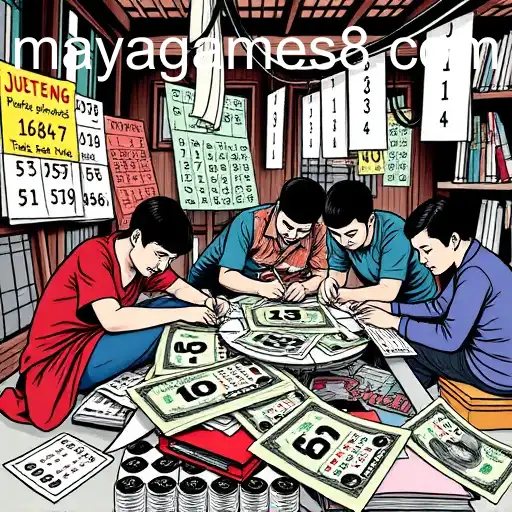

Jueteng is a popular numbers game in the Philippines that has persisted for decades. Despite being illegal, it is deeply ingrained within various communities across the nation. To understand the intricate web surrounding jueteng, one must delve into its history, significance, and the challenges associated with its attempted regulation.
Jueteng traces its roots back to the Spanish colonial period. Over time, it evolved into a community-centric activity, particularly favored in the provinces and rural areas. The game is simple yet alluring. Players choose a combination of numbers from one to thirty-seven, with the bets placed on various number combinations. The winning numbers draw from a random selection process, reminiscent of a lottery.
kfcjiliThe allure of jueteng lies in its simplicity and accessibility. With low entry costs, it enables participants from all socioeconomic backgrounds to take a chance with Lady Luck. Neighborhood operators, called "kubradores," visit houses to collect bets and distribute winnings, facilitating widespread participation across communities.
Jueteng is more than just a game; it’s a reflection of socioeconomic realities in many regions of the Philippines. Often, it constitutes a parallel economy, consistently providing livelihoods for numerous people, from financiers and operators to bet collectors. The informal structure enables money to flow quickly, affecting local economies. Yet, it also nurtures dependencies on gambling as a source of income, reinforcing financial instability and sometimes contributing to societal issues like crime and bribery.
For many, jueteng works as an alternative financial system, providing immediate cash flow and potential windfalls which are rare in more traditional employment avenues. In some areas, betting on jueteng is seen as a community activity, with winnings sometimes contributing towards communal events, healthcare needs, or educational expenses. However, its unregulated nature allows for vulnerability to exploitation.
jiliace777The perennial issue surrounding jueteng is regulation. Official attempts to curb the activity have been complicated due to its deep-rooted cultural acceptance and the economic implications of outright prohibition. Instead of diminishing its prevalence, periodic crackdowns and ensuing controversies have sometimes heightened its romantic, "forbidden" allure.grabeph
Efforts to replace jueteng with legal lottery options, such as the Philippine Charity Sweepstakes Office’s (PCSO) sanctioned "Small Town Lottery" (STL), have met varied success. STL provides a legal platform but struggles to compete with the established networks and mystique of jueteng. Deregulation debates often revolve around whether formalizing jueteng could potentially redirect revenues towards public services without destroying livelihoods.
In today's digital age, there is a growing intersection of traditional games like jueteng with online platforms, often coined "Maya games." The idea here is to capitalize on jueteng’s market while integrating technology. These platforms capitalize on the accessibility of mobile technology, providing a more convenient and, critically, more socially accepted way to engage with numbers games.ph989
However, these Maya games bring their challenges. The lack of regulation in digital-spaces makes monitoring more complicated, potentially introducing players to a broader array of gambling options, further entrenching gambling culture among new demographics. It represents another instance where technology and tradition collide, creating possibilities for innovation but also highlighting gaps in existing regulatory frameworks.
A deep cultural connection surrounds jueteng. It's often seen as a symbol of Filipino resilience and resourcefulness in an environment where economic opportunities are hard to come by. Betting in jueteng is infused with rituals and superstitions, embedding the game in the cultural fabric of many communities.
For some, numbers become a source of hope and dreaming, translating mundane life experiences or "signs" into potential lottery numbers. The whimsical nature of determining these numbers highlights a collective aspiration for better fortunes, distilled into tangible acts of participation in the gaming process.
The future of jueteng in the Philippines, amid regulatory challenges, cultural bonds, and new technological frontiers, remains uncertain. As debates continue, they exemplify broader questions about balancing cultural practices, economic needs, and regulatory imperatives. Communities continue navigating these complex choices, encapsulating the vibrant but challenging landscape of jueteng.
While its legal status might be contentious, the endurance of jueteng within Filipino society is undeniable, embodying elements of persistence, hope, and community in its traditional guise or its emerging digital avatar.
lucky game
Explore the delightful world of AnimalParty by Maya Games, a captivating and innovative game that brings families together for endless fun.

An in-depth exploration of the captivating game Curse of the Pharaoh, intertwining its ancient Egyptian themes with modern interpretations of Maya games.

Dive into the captivating universe of RichyPanda, a game that marries cultural richness with engaging gameplay, brought to you by Maya Games.

Discover DaHongZhong, a captivating game by Maya Games, exploring its intriguing gameplay, immersive experience, and detailed rules.

Explore AsgardianRising, a captivating game from Maya Games, blending Norse mythology with innovative gameplay. Discover its unique story, rules, and recent developments in the gaming world.

Explore the enchanting world of MagicTime, a compelling new release by Maya Games.
